
Dr. Hakan Şahin'in akademik eserleri
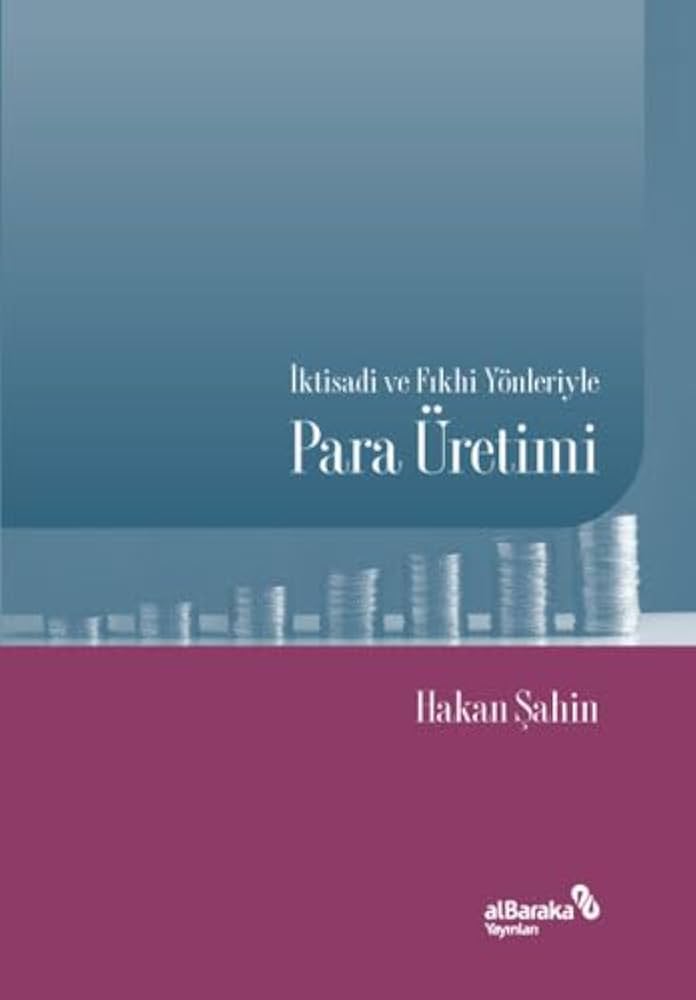
This work by Hakan Şahin examines how money is produced from the perspectives of both modern monetary theory and Islamic law. It questions the issue of money creation through central banking, fiat money, and the banking system.
Read More →
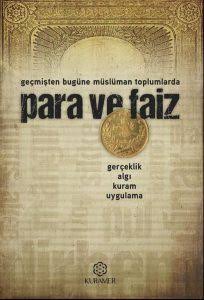
This study focuses on the fundamental difference between the concept of money in the early period of Islam and modern paper money. It compares how gold and silver coins like the dinar and dirham were goods with intrinsic economic value, while fiat money derives its value from social acceptance, law, and the monetary system.
Read More →

Hakan Şahin's main thesis is that the riba prohibited by the Quran cannot be equated with all kinds of interest in the modern sense. The work examines riba in the pre-Islamic period as an exploitative mechanism that takes advantage of the debtor's inability to pay.
Read More →
Eamonn Butler's work argues that a free and prosperous society must be built on individual liberty, the rule of law, private property, free markets, and limited government.
Read More →
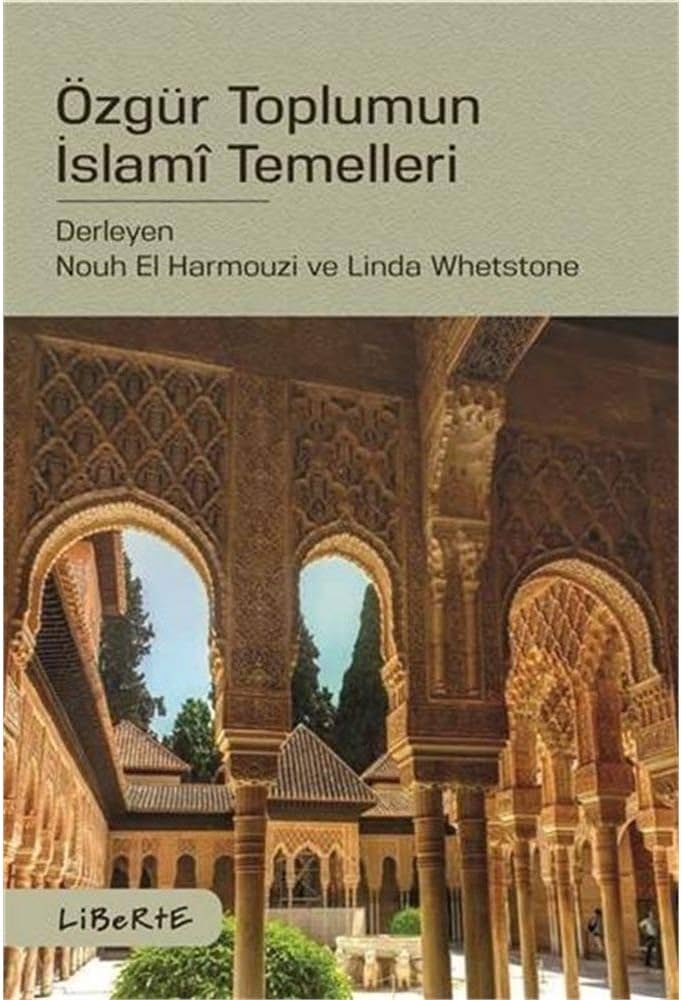
This work demonstrates that Islam can be compatible with values such as individual liberty, private property, free markets, the rule of law, and limited government.
Read More →
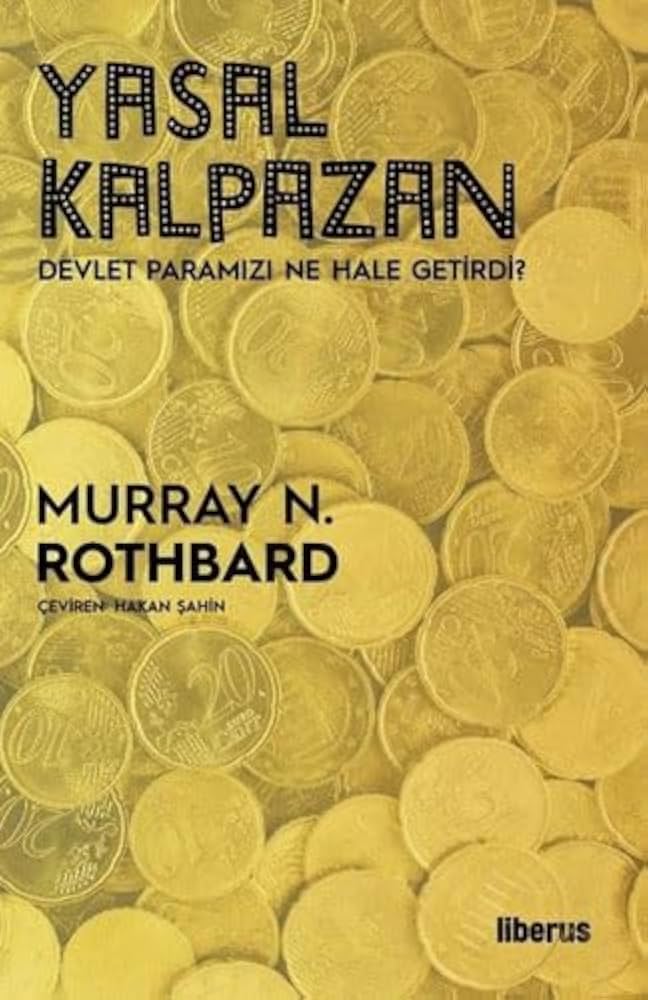
Murray Rothbard's work approaches the history of money from an Austrian School and libertarian perspective. It examines the monopolization of sound money by the state, debasement, legal tender laws, central banking, and the fiat money system.
Read More →
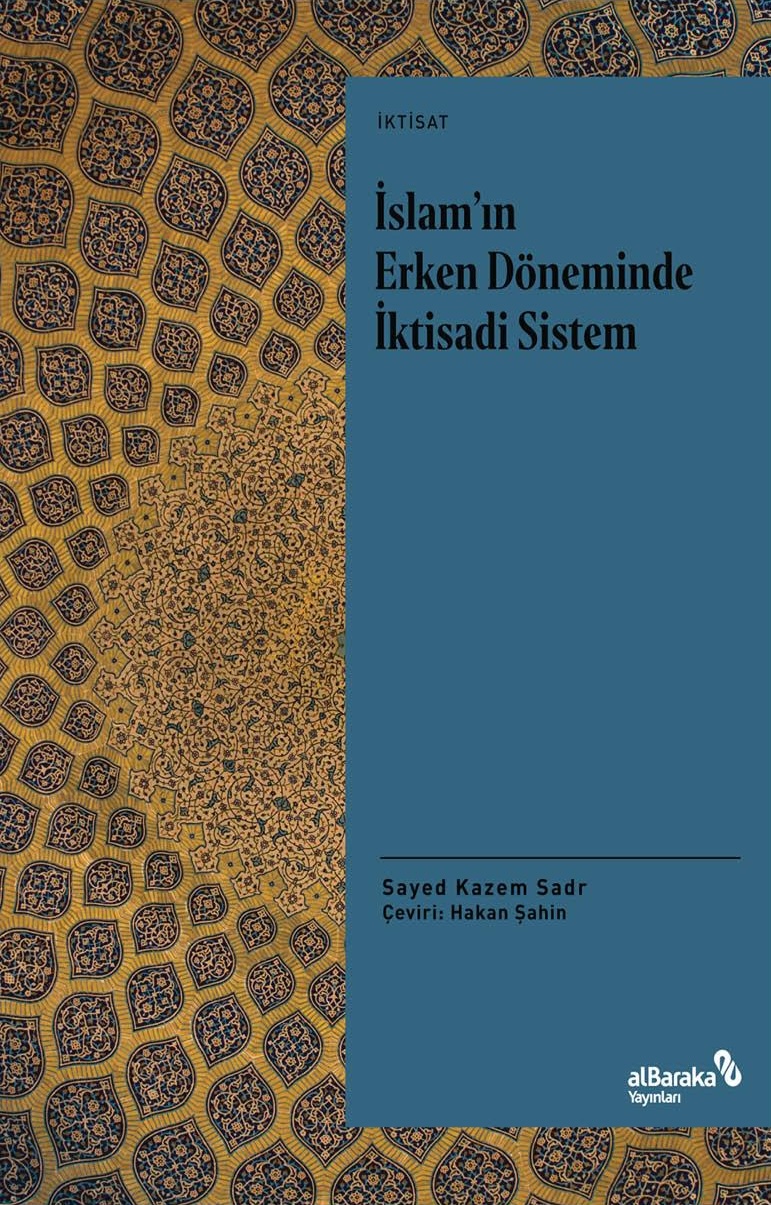
Sayed Kazem Sadr's work examines the economic institutions and policies that took shape during the period of the Prophet. It covers property, trade, labor, prices, zakat, public finance, the treasury, and the economic role of the state.
Read More →
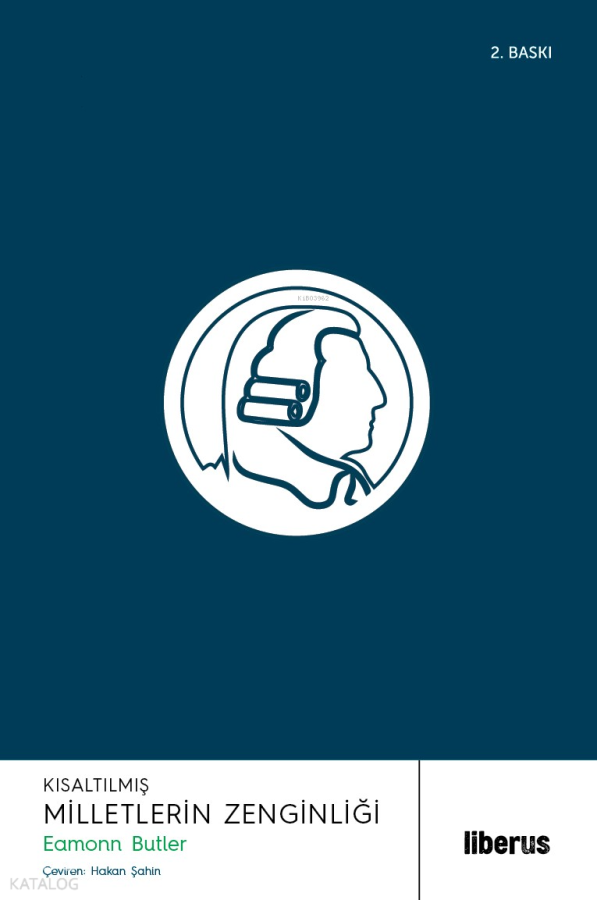
This work conveys the main arguments of Adam Smith's Wealth of Nations in a brief and modern language; it also summarizes the Theory of Moral Sentiments.
Read More →
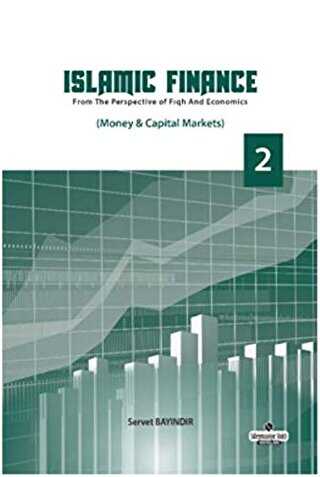
Servet Bayındır's work treats Islamic finance not merely as interest-free banking, but as an alternative financial system based on the principles of Islamic law regarding economic transactions.
Read More →